
By Roberta Bailey
Maine has a long history of growing grains, and was known as the bread basket of the east in the early 1800s. By mid-century, the expanding railroads provided access to cheaper wheat from the Midwest. Maine shifted production to corn, blueberries, hay, and potatoes. In the 1980s, Jim Amaral started Borealis breads and quickly began trying to source local wheat and other grains. Working with Aroostook County extension educator Matt Williams and Aroostook farmers, a modern resurgence of grain growing sprouted. Out of these early efforts came the Wheat Project, then Maine Grain Alliance and the grist mill, Maine Grains, in Skowhegan. Maine now grows many heritage grains like emmer, kamut, einkorn, and Red Fife and Sirvinta wheat. A perusal of shelves in a health food store turned up spelt flour, local cornmeal, einkorn flour, Madawaska buckwheat flour, emmer, rye, and Sirvinta wheat flour — even locally grown black bean flour.
Like anything that grows fresh from the garden or from your local farmer, fresh wheat flour and grains pop with full nutty flavor and a delicate sweetness that is far superior to commercial products. Barley and flour corn amaze the palette. Oats are tender and almost floral. Wheat and rye bread always draw remarks.
The knowledge of the full flavor of freshly harvested food can be a double-edged sword. You learn what it’s supposed to taste like. To attain that flavor, you have to grow it yourself or find it locally. It’s more work. The price of locally raised food starts to feel quite fair once you know all the work of producing, harvesting, and cleaning your own. But it’s worth it.
Set aside a small section of your garden or a section of a field, then broadcast some hulless barley or oats, or an heirloom wheat or grain. Sit back and watch your own amber waves of grain grow. Learn ways to harvest and clean your crop. Cleaning grain seed can be a form of intentional meditation or a great community activity.
The whole grains can be used in salads, casseroles, granolas, and cereals. To make flour, I have used a Corona mill (great for corn, wheat needs to be ground twice); a grain-grinding attachment for a KitchenAid mixer (underwhelming and loud); and, my go-to lately, a Vitamix blender (extremely fast and easy; but loud, wear head phones). The latter has given great results. There is a grain hopper made for the Vitamix, but I find that the regular blender hopper works better and faster. I have not tried the deluxe and pricey grain mills on the market.
What grains do you love? Have you had them fresh and local? Here are some recipes to celebrate the harvest.
Spring Green Barley Gratin
Serves 4-5.
4 cups spring greens, roughly chopped (spinach, beet greens, chard, pac choy, etc.)
3 Tbsp. olive oil
1 ½ cups diced onion
4 cloves green (young) garlic, finely chopped
½ tsp. dried basil or thyme
3 eggs
½ cup low-fat milk or alternative, such as oat or soy milk
1 cup cooked purple barley (or other whole barley)
½ cup Gruyere cheese (2 ounces)
2-3 Tbsp. grated Parmesan cheese
Salt to taste
Freshly ground pepper
Preheat oven to 375 F. In a large frying pan, add the olive oil and sauté the onion until translucent. Add the greens, and toss until wilted. Stir in the garlic and basil/thyme.
In a large bowl, beat together the eggs and milk. Season with fresh pepper and ½ tsp. salt.
Stir in the cooked greens, barley, and cheeses. Mix together and spread into an oiled 2-quart casserole dish. Bake for 25-30 minutes, until sizzling and lightly browned. Once removed from the heat, allow to rest for 10 minutes.
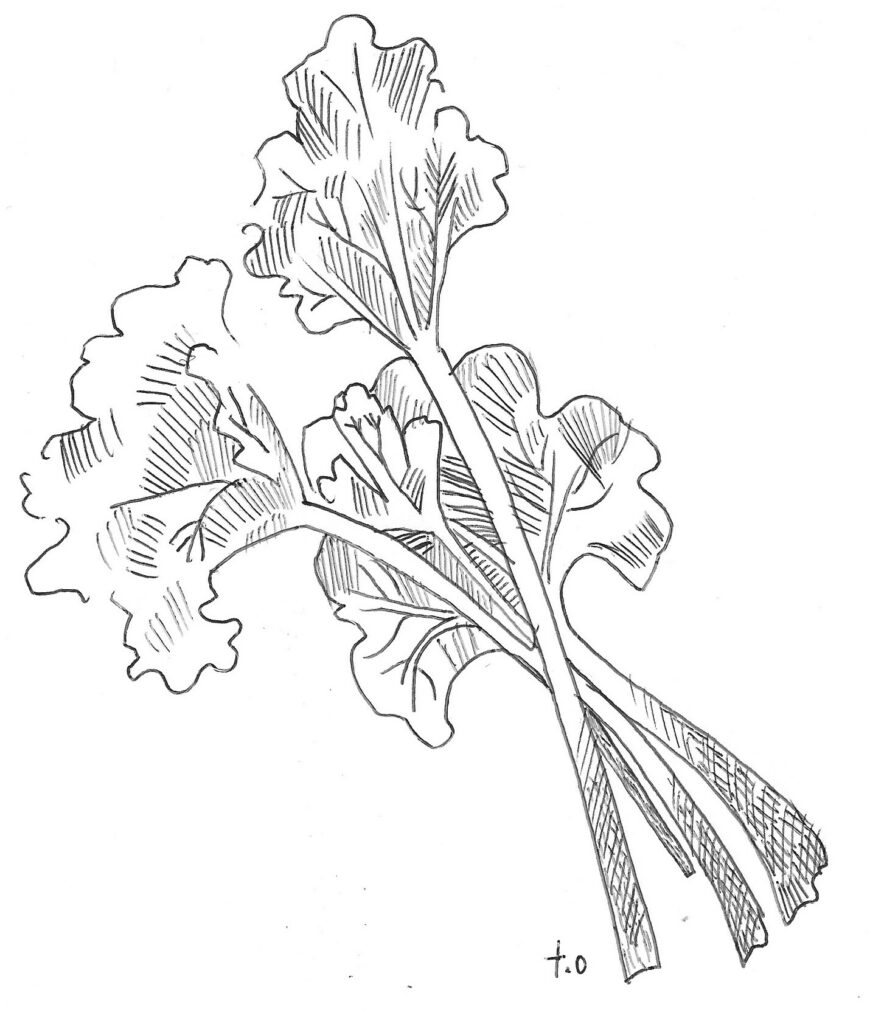
Spelt Rhubarb Muffins
Makes about 8 muffins.
For streusel:
3 Tbsp. spelt flour
3 Tbsp. maple sugar or 2 Tbsp. sugar plus 2 tsp. brown sugar
Pinch of ground cinnamon or allspice
2 Tbsp. cold butter, cut into small cubes
For the muffin batter:
1 ½ cups spelt flour
½ tsp. baking soda
1 tsp. baking powder
¼ tsp. ground cinnamon
¼ tsp. sea salt
⅔ cup brown sugar
⅓ cup vegetable oil
1 large egg
¼ cup plain yogurt with water added to make ⅓ cup
Zest of 1 orange
1 cup diced rhubarb, lightly dusted with flour
Heat oven to 350 F with oven rack in the center position.
For the streusel topping: combine the dry ingredients in a bowl, then mix in the butter cubes by pinching them into the dry ingredients until well mixed. Chill until ready to use.
Sift the spelt flour, baking powder, baking soda, salt, and cinnamon together in a small bowl. Stir in the brown sugar. Make a well in the dry ingredients. Add in the oil, egg, yogurt, and water mixture, and orange zest. Stir just until mixed. Gently fold in the rhubarb cubes — overmixing will make batter tough.
Fill greased muffin tins evenly, then sprinkle the streusel mixture on top (about 1 Tbsp. per muffin). Bake for 20–25 minutes. Remove from the oven. Let cool in the tins for 15 minutes, then turn onto a rack to continue to cool.
Am I Too Blue Corn Scones
Makes 6 scones.
1 ½ cups white flour
¾ cup medium-grind blue cornmeal
⅓ cup sugar or ½ cup maple sugar
1 Tbsp. baking powder
12 Tbsp. cold butter, cut into ½-inch cubes
¾ -1 cup frozen blueberries
⅓ cup plus 1 Tbsp. buttermilk (can substitute half yogurt and half water)
1 large egg
Combine the four dry ingredients with the butter cubes, leaving the butter in ¼-inch bits if possible. Add the still-frozen berries and toss gently to combine.
Mix the buttermilk and egg together. Make a well in the dry ingredients and pour in the liquids. Gently stir together until a rough ball is formed. (Add 1 Tbsp. of buttermilk if the mixture is too dry to form a ball.)
Transfer the dough to a floured surface and shape into a 7-inch disk about 1-inch thick. Cut into six equal wedges. Place parchment on a baking sheet. Transfer the cut scones to the baking sheet. Then freeze, uncovered, for 30 minutes. Preheat the oven to 400 F.
Remove the scones from the freezer and brush them with water, then sprinkle them with sugar.
Bake for 20-25 minutes, until golden. Cool and serve.
Dark of the Moon Cookies
Makes about 30 cookies.
1 ¼ cups dark rye flour
4 Tbsp. cocoa powder
½ tsp. baking powder
½ tsp. salt
12 Tbsp. room-temperature butter
4 cups semi-sweet or bittersweet chocolate chips
2 cups sugar
4 large eggs
1 ½ tsp. vanilla
Mix the flour, cocoa powder, baking powder, and salt in a large bowl. Melt half (2 cups) of the chocolate chips and butter together. Using a stand mixer with a paddle attachment, combine the melted chocolate with the sugar. Add the eggs, one at a time, then the vanilla. Add the dry ingredients, mixing until a ball forms, then add the remaining chocolate chips. Mix briefly.
The dough will be very sticky. It is imperative to chill it for at least 1 hour or even overnight.
Heat the oven to 350 F. Prepare two baking sheets by lining them with parchment paper.
Remove the dough from the refrigerator. Working quickly, divide the dough into 30-32 pieces, then roll them into balls. Place them about 2 inches apart on the parchment. Keep any remaining unbaked cookie batter chilled while waiting for a second batch to go on the baking sheets.
Bake for 15 minutes or until the edges are well-baked but the centers are not quite firm. Remove and cool on racks.
Minty Triticale/Barley Salad
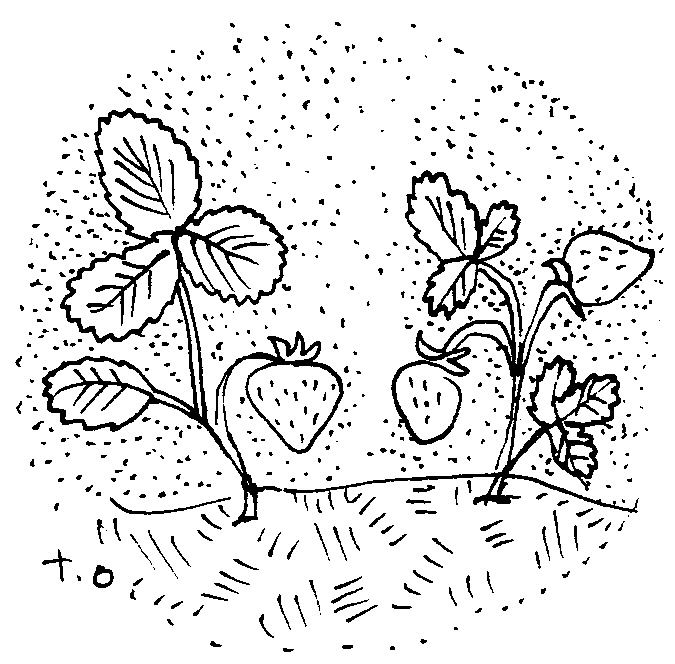
Serves 6.
Adding fresh strawberries is an enticing option.
4 Tbsp. extra virgin olive oil
2 Tbsp. fresh lemon juice
½ tsp. sea salt
2 loosely packed cups each of chopped mint, cilantro, and parsley
2 cups baby spinach
1 cup chopped arugula
2 cups cooked and cooled triticale or barley
Quartered fresh strawberries for topping (optional)
Whisk together the olive oil, lemon juice, and salt. Mix greens and grains together in a bowl and coat with the dressing. Sprinkle with cut strawberries, if desired.
A columnist for The MOF&G for over 40 years, Roberta Bailey grows (way too much) food and makes just enough fiber art in Vassalboro, Maine.
This article was originally published in the spring 2026 issue of The Maine Organic Farmer & Gardener.